 Business License

Equipment Material Selection for Chloride-Containing Feedstock (Part 2):
For evaporators and crystallizers treating chloride-containing feedstock, titanium is generally the preferred construction material because of its outstanding resistance to chloride-induced corrosion. However, the corrosion resistance of titanium depends not only on the chloride concentration but also on the operating temperature and the titanium grade selected.
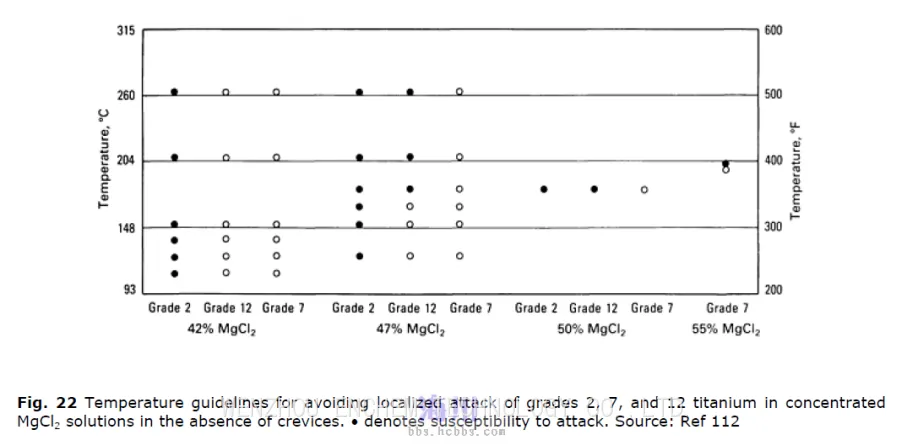
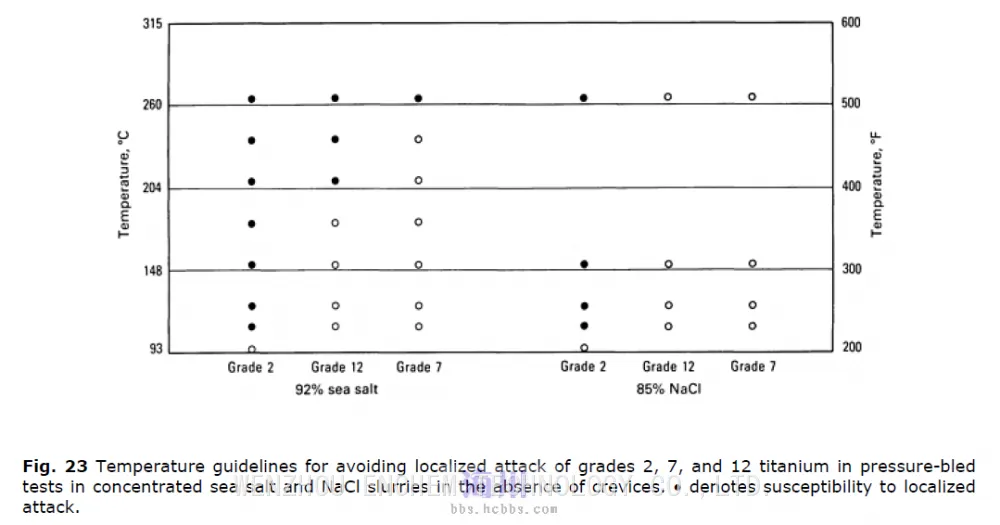
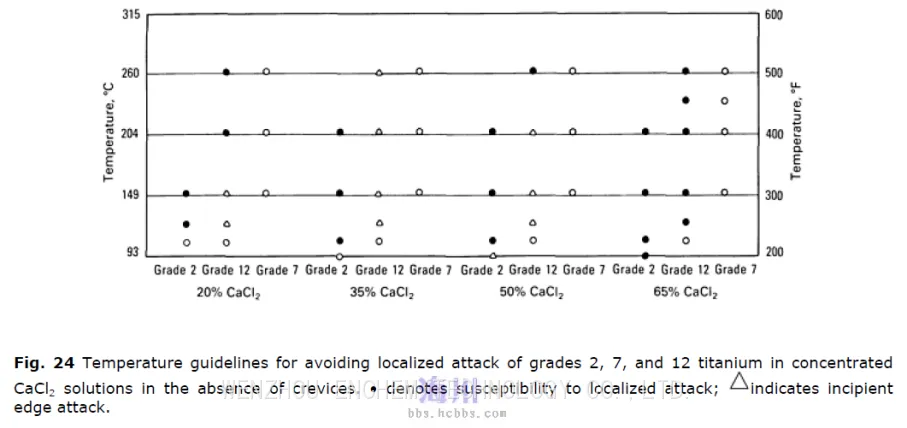
This section presents the maximum recommended service temperatures for commercially pure titanium (Grade 2, TA2), Ti-0.2Pd alloy (Grade 7, TA9), and Ti-Ni-Mo alloy (Grade 12, TA10) in magnesium chloride (MgCl₂), sodium chloride (NaCl), and calcium chloride (CaCl₂) solutions at various concentrations.
When the operating temperature exceeds the recommended service limit, localized corrosion, including crevice corrosion and pitting corrosion, may occur.
Figure Legend
The symbols used in the following figures indicate the corrosion performance of titanium under different operating conditions:
○ White circle: Suitable for continuous service.
● Black circle: High susceptibility to crevice or pitting corrosion; operation is not recommended.
△ White triangle: Slight crevice corrosion may occur, but it generally does not affect normal equipment operation.
Magnesium Chloride (MgCl₂) Solution
Sodium Chloride (NaCl) Solution
Calcium Chloride (CaCl₂) Solution
Performance Comparison
The comparison clearly demonstrates that titanium alloys provide better resistance to chloride-induced localized corrosion than commercially pure titanium.
Corrosion resistance ranking:
Grade 7 (TA9, Ti-0.2Pd) > Grade 12 (TA10, Ti-Ni-Mo) > Grade 2 (TA2, Commercially Pure Titanium)
For applications involving high chloride concentrations, elevated operating temperatures, or other severe service conditions, Grade 7 (TA9) is generally the preferred material due to its superior resistance to crevice corrosion and pitting corrosion. Grade 12 (TA10) also provides excellent corrosion resistance and is widely used where enhanced mechanical strength and high-temperature performance are required. Grade 2 (TA2) remains a cost-effective solution for moderate operating conditions within its recommended service temperature range.
Recently Posted
-
Can MVR Evaporators Be Used for Calcium Chloride Concentration?
September 3, 2026Calcium Chloride Evaporation & Concentration SystemsCalcium chloride (CaCl₂) is widely used in industrial applications and is Read More
 -
MVR vs TVR: Efficiency, Cost, and Application Guide
September 2, 2026In the industrial evaporation field, energy-saving technologies have become critical for reducing operational costs and minimizing
Read More -
Successful Commissioning of the Potassium-Sodium Separation Four-Effect Evaporator
September 2, 2026OverviewWe are delighted to announce the successful commissioning of the Potassium–Sodium Separation Four-Effect Evaporator System
Read More -
OSLO Crystallizer – Efficient Fluidized Bed Design for Large Crystal Growth
September 2, 2026OverviewIn industrial crystallization processes, crystallizers are commonly classified according to their circulation mechanism an
Read More

Contact Us
Recommended Products
-
 Titanium Triple-effect Evaporator for Lithium Battery RecycleNegotiableMOQ: 1 Set
 -
Four-effect Falling Film Evaporator for Coffee Extract ConcentrationNegotiableMOQ: 1 Set
-
MVR Evaporator for Dyeing Wastewater TreatmentNegotiableMOQ: 1 Set
-
MVR Evaporator for Landfill Leachate TreatmentNegotiableMOQ: 1 Set
-
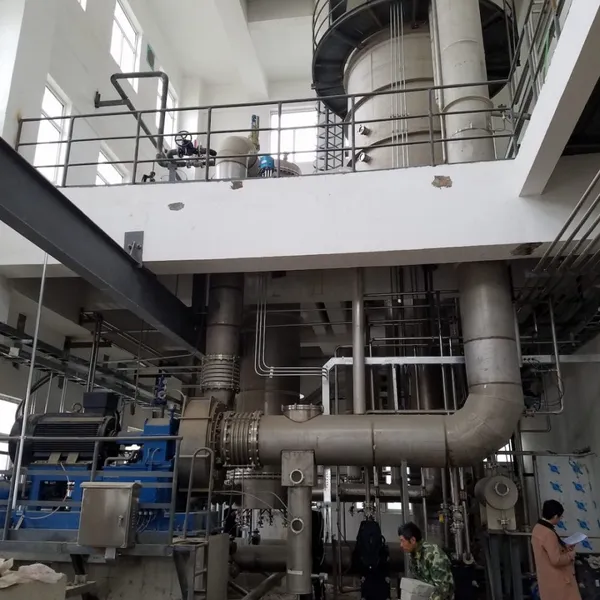
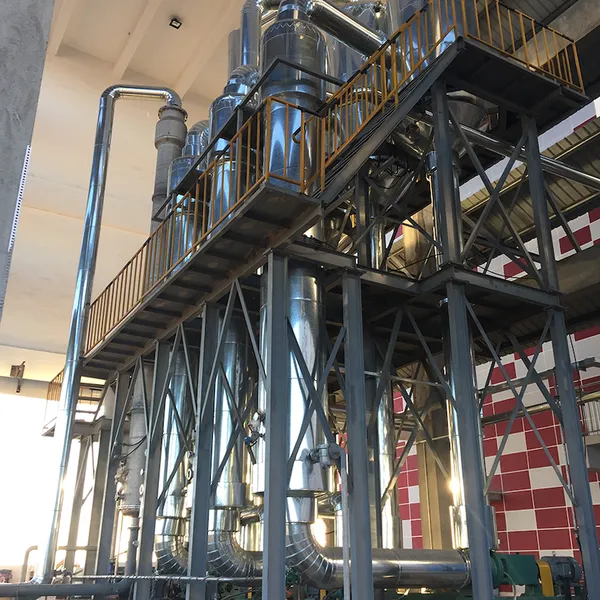
Triple-effect Forced Circulation Evaporator for Cobaltous Sulfate RecoveryNegotiableMOQ: 1 Set
-
Double-effect Countercurrent and Falling Film Evaporator for Caustic Soda ConcentrationNegotiableMOQ: 1 Plant
-
Double-effect Forced Circulation Evaporator for Calcium Chloride ConcentrationNegotiableMOQ: 1 Set
-
MVR Evaporator for Smelting Wastewater TreatmentNegotiableMOQ: 1 Set
-
Triple-effect Forced Circulation Evaporator for High Salinity Wastewater TreatmentNegotiableMOQ: 1 Set
-
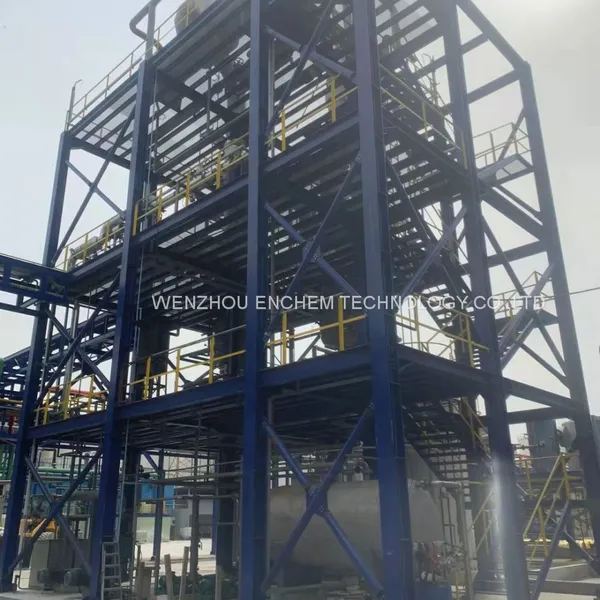
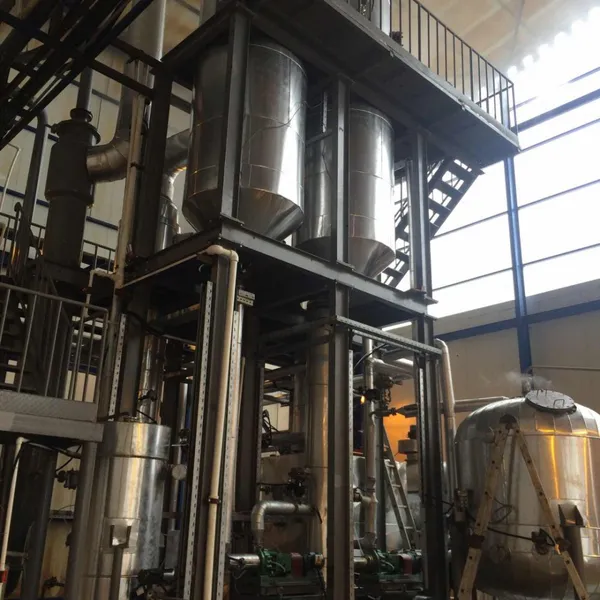
Double-effect Central Circulation Evaporator for Metallurgy Effluent TreatmentNegotiableMOQ: 1 Set
-
Triple-effect Forced Circulation Evaporator for Mix Salt Wastewater TreatmentNegotiableMOQ: 1 Set
-
MVR Evaporator for Bio-pharmaceutical Wastewater TreatmentNegotiableMOQ: 1 Set
-
Calcium Chloride Solution Preparation and Refining PlantNegotiableMOQ: 1 Set
-
Vacuum Decompression Concentrator (Tank)NegotiableMOQ: 1 Set
-
Ammonium Sulfate Crystalline Powder Evaporation and Drying PlantNegotiableMOQ: 1 Set